
Stop Googling “Toothpaste Manufacturing Process” now! because you are already in the right place. Yes, here we give you complete information related to the manufacturing process of toothpaste, so read this blog at the ending point. Toothpaste helps to clean the teeth and it comes in several flavors. After brushing this aid leaves your mouth or breath fresh. Toothpaste is also supporting in lowering the strong smell of strong-flavored foods like onion and garlic.
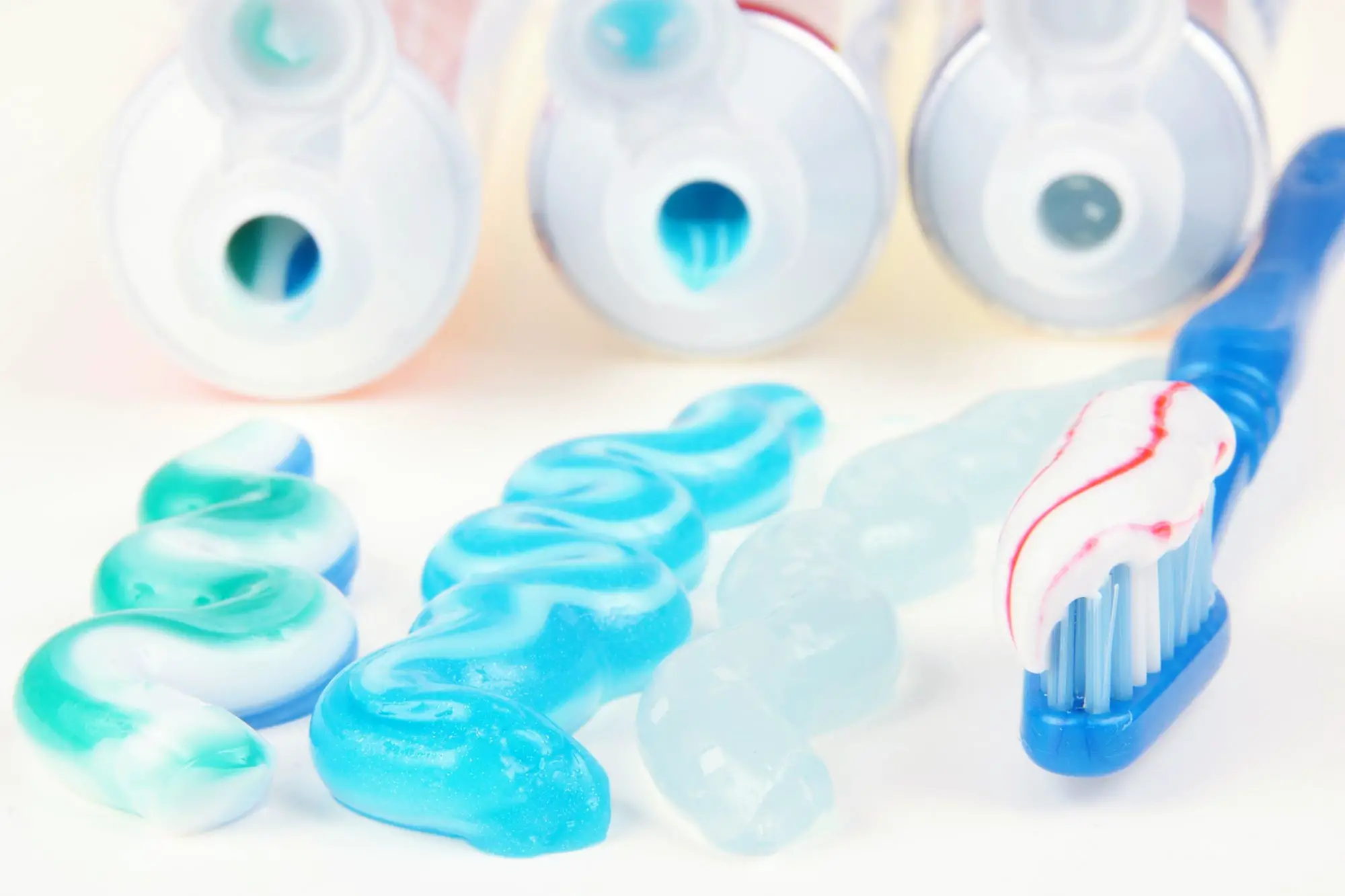
Most tubes of toothpaste contain fluoride and some dental professionals approve of that the use of fluoride helps to control cavities as well as keep the tooth enamel healthy. This also helps to support other dental issues including teeth whitening, tooth sensitivity, tooth decay, and gum condition. The demand for toothpaste is very high and it is rising immensely the market size of toothpaste globally was valued at US$ 20.0 billion in the year 2022. If you are planning to start your own business then this is the right decision. Here we share information related to the manufacturing process of toothpaste. So read this article at the ending point.
Table of Contents
What is Toothpaste?
Toothpaste plays a vital role in cleaning teeth, protecting oral health, and the safety of human necessities. Also, this is a key part of every human daily oral hygiene routine. With the help of toothbrushes and floss, helps us to remove food debris, gums, and plaque from the teeth. Toothpaste tubes are widely available in the form of gel, paste, and powder. In our daily routine, toothpaste is used at least twice a day.
Understanding the Basics of Toothpaste Formulation
Toothpaste companies plan the formulation before they begin manufacturing. A typical toothpaste contains:
- Abrasives to clean teeth
- Humectants to retain moisture
- Surfactants for foaming
- Binders to maintain consistency
- Sweeteners and flavours for taste
- Actives such as fluoride for dental care
- Colouring agents for appearance
- Preservatives to extend shelf life
The formulation is tested in the lab repeatedly until it has achieved stability, is the right texture and pH and checks out as safe before scaling up production.
Key Facts
- The ‘ingredients’ in toothpaste are usually water (or another humectant), abrasive substances, surfactants (which foam), thickeners/binders (to keep it from separating into watery and solid parts), flavouring agents, sweeteners, preservatives, and possibly active ingredients like fluoride.
- First, it’s the liquid ingredients (water, humectants and occasionally glycerin or sorbitol) which are blended in a stainless steel mixing vat at a controlled temperature and humidity. Made How
- After which point, dry ingredients (gritty materials, thickeners and powders) are slowly introduced by vacuum feeder, and mixing continues. By adding in this order (liquids followed by powders), one can obtain a smooth base without it being lumpy or with irregularities.
- Once the basic blend is formed by direct combination, a homogenising or high shear mixing (frequently in a vacuum) is carried out to make a smooth paste. This vacuum mixing is essential to eliminate air bubbles, which can have negative effects on texture, stability and storage life. sterinoxsystems
- When homogenised, flavours and colourings, sweeteners, surfactants (if not added earlier) and therapeutic agents such as fluoride are added to an appropriate level in the same batch process at the end of the mix to retain their stability or efficacy.
Incredible Benefits Of Toothpaste
- This removes plaque
- It resists decay
- This help strengthen the enamel that has been attacked by acids
- Clean and polish teeth
- Remove teeth stains
- Freshen breath
What is the Importance Of Brushing?
One of the amazing and simple ways to remove harmful plaque from teeth and gums is to brush your teeth regularly and correctly. Plaque is a thin, sticky film loaded with bacteria. Every person’s mouth is different and brushes inside and outside of the teeth and the chewing surfaces. Also, gently brush your tongue to clean all the dirty bacteria and freshen your breath.
Ingredients That Are Used In Making The Toothpaste
The process of making toothpaste is very straightforward just mix all the ingredients in the correct proportions.
- Water
- Abrasives (including softened silica, chalk, and baking soda)
- Sudsers (like sodium lauryl sulfate, sodium lauryl sulfoacetate as well as dioctyl sodium sulfosuccinate)
- Humectants (e.g., sorbitol, glycerin, propylene glycol)
- retain paste form
- contribute to mouthfeel
- add sweetness
- Flavors (typically mint)
- Sweeteners (typically Saccharin)
- Fluorides
- Whiteners
- Preservatives (typically p-hydroxybenzoate)
- Binders (e.g., karaya gum, bentonite, sodium alginate, and carrageenan)
What is the Toothpaste Manufacturing Process?
The process of toothpaste manufacturing is very straightforward. In this process, just mix together abrasives, water, humectants, thickening and foaming agents, sweeteners, as well as flavors in the correct portion until you get a paste. After that, once you added the colors then you can fill a tube with your colorful toothpaste and seal it before shipped to stores.
Here the typical process includes the:
- First of all, the liquid ingredients are prepared first including water, sorbitol/glycerin
- Secondly, powdered ingredients are dry-blended with other ingredients
- Then the preservative and sweetener are added
- Next, premixed abrasive is added to the liquid base
- After that flavoring and coloring are added
- Last, under slow mixing, the detergent is added to minimize foaming
After that, all the ingredients are mixed together. Along with this, the finished toothpaste is sent to a high-speed filling machine where a pump fills each tube through its open bottom. All the tubed are filled then the end is sealed after that the filled and crimped tubes are inserted into respective retail boxes. The boxes of toothpaste are made from cardboard and the tubes of toothpaste are made from sheets of plastic laminate.
Conclusion
At last, we hope you get all the information related to Toothpaste Manufacturing Process. Indian toothpaste manufacturing companies provide the best-quality toothpaste that is made with natural ingredients and also maintained a high standard of manufacturing. Now, you have complete information regarding the toothpaste manufacturing process, go ahead and follow this process.
Frequently Asked Questions (FAQs)
Exactly how is toothpaste made in a factory?
Toothpaste is like some complex sauces or batters: You start by blending liquids (like water and humectants), then slowly add powders (abrasives, thickeners). The resultant mixture is subsequently homogenised under vacuum to eliminate air bubbles, the paste becomes flavoured and coloured, and is filled into tubes by machine for the final squeeze of the tube.
What is the purpose of using vacuum mixers while preparing toothpaste?
Vacuum mixers remove air from the paste so it remains smooth and doesn’t separate over time. Toothpaste can become bubbled and have an uneven texture without vacuum processing, which concerns quality as well as shelf life.
What ingredients go into toothpaste?
Most toothpaste will also contain abrasives for cleaning, humectants to prevent it drying out, binders which give the toothpaste its texture and appearance, surfactants to help create a lather when brushing and perhaps flavours, sweeteners or preservatives. They can also contain active ingredients like fluoride. The exact formulation will depend on the brand and type of toothpaste.
Are toothpaste ingredients safe to use?
Yes. All ingredients in toothpaste are also required by law to be substantiated as safe, either under the standards for cosmetics or over-the-counter drug products. The raw materials are purity, microbial-tested, and chemical-tested before they’re mixed to ensure they are safe enough for oral use.
How is toothpaste so tasty?
Flavours such as mint, spearmint or clove, as well as herbal mixtures, are added towards the end of mixing. This is to keep the flavour fresh, so that the toothpaste tastes nice and yummy when you use it.
What causes toothpaste to become smooth?
High-shear mixing and homogenisation are responsible for this smooth mouthfeel. This process will pulverise particles, eliminate lumps and make a uniform paste. It is a necessary element of the manufacturing process.
